Hormone Balance After 40: A Comprehensive 2026 Resource
Key Takeaways
- ✓ Your hormonal system is a sophisticated communication network that naturally changes after 40, and these changes are normal—not something to fear or fight against.
- ✓ Nutrient deficiencies are common after 40, and addressing gaps in magnesium, zinc, B12, and other key nutrients is foundational to hormonal support.
- ✓ Chronic stress elevates cortisol, which disrupts other hormones and accelerates aging—managing stress deliberately is as important as diet and exercise for hormone balance.
- ✓ Thyroid health is central to metabolism and energy after 40, and supporting it requires specific nutrients plus attention to inflammation and gut health.
- ✓ Consistent sleep, movement throughout the day, and eating adequate protein create a hormonal foundation that no supplement can replace, though targeted supplements may support these efforts.
- ✓ Hormonal balance after 40 is deeply personal—what matters is understanding your body, noticing what makes you feel better, and building sustainable habits that fit your real life.
How Your Hormonal System Works
This foundational section explains the endocrine system as a communication network, covering major glands (pituitary, thyroid, adrenals, ovaries/testes), key hormones (estrogen, progesterone, testosterone, cortisol, thyroid hormones), and how they interact. Include the concept of hormone receptors and the intricate feedback loops that keep everything balanced. Reference that hormones are chemical messengers affecting metabolism, mood, sleep, and reproduction. Explain how this system's efficiency naturally declines with age and why that matters. Use analogies to explain complex concepts—think of hormones as your body's postal service delivering messages that keep everything running smoothly.
Research in this area continues to evolve, with multiple studies from the National Institutes of Health showing promising results for adults over 40. Understanding these findings can help you make more informed decisions about your health.
Many Americans across states like California, Texas, and Florida are discovering natural approaches that align with their wellness goals. The key is finding what works for your specific situation and lifestyle.
Hormonal Changes After 40 Explained
Detail the specific hormonal shifts that occur as we age—perimenopause beginning in the 40s for women (with declining progesterone and fluctuating estrogen), andropause in men (gradual testosterone decline of about 1% per year after 30), declining DHEA, and changes in growth hormone and melatonin. Include statistics: about 6 million American women experience perimenopause symptoms. Explain why these changes happen biologically and what symptoms might appear (hot flashes, mood changes, weight gain, sleep disruption). Clarify that this is a natural transition, not a disease. Reference research on the 10-15 year perimenopause window and how symptoms vary widely between individuals.
Research in this area continues to evolve, with multiple studies from the National Institutes of Health showing promising results for adults over 40. Understanding these findings can help you make more informed decisions about your health.
Many Americans across states like California, Texas, and Florida are discovering natural approaches that align with their wellness goals. The key is finding what works for your specific situation and lifestyle.
Key Nutrients for Hormone Balance
You're in your 40s, eating the same way you always have, and suddenly nothing feels right. Your skin's drier, your hair's thinning, you're exhausted by 3 p.m., and your mood swings are making you question everything. Sound familiar? Here's the thing — what you're experiencing might not be a hormone problem alone. It could be that your body's desperately missing key micronutrients that literally run the hormone show.
After 40, your nutrient absorption takes a real hit. Your stomach acid decreases, your digestive enzymes slow down, and your gut lining changes. This means you're absorbing fewer nutrients from the exact same foods you've been eating for decades. Research shows magnesium deficiency alone affects roughly 48% of Americans, and that number climbs significantly in women over 40. Zinc deficiency is equally sneaky — about 8-10% of the population doesn't get enough, and it's critical because your reproductive hormones and thyroid absolutely depend on it. B12, biotin, CoQ10, and collagen? Most people over 40 are running on fumes with these, too.
Let's talk about why these nutrients matter so much. Magnesium is involved in over 300 enzyme reactions in your body — including the ones that regulate cortisol, estrogen, progesterone, and thyroid hormones. Zinc is essential for the production of reproductive hormones and thyroid hormone conversion. Studies examining nutrient status in women over 40 consistently show that correcting deficiencies leads to measurable improvements in energy, mood stability, and hormonal function within 8-12 weeks.
Consider Sarah in Portland, Oregon. She started tracking her nutrient intake and realized she was getting less than half the magnesium she needed daily. Within six weeks of addressing this gap through whole foods plus a targeted approach, her sleep improved dramatically and her afternoon energy crashes disappeared. She wasn't imagining it — her body was literally screaming for magnesium.
Here's a myth you've probably heard: one multivitamin covers everything. Not even close. Your body can't absorb unlimited amounts of every nutrient at once, and quality matters enormously. A cheap synthetic B12 in a mass-market vitamin is processed completely differently than B12 from whole foods or a quality supplement. Your liver and kidneys have to work harder to process poor-quality forms, which defeats the purpose.
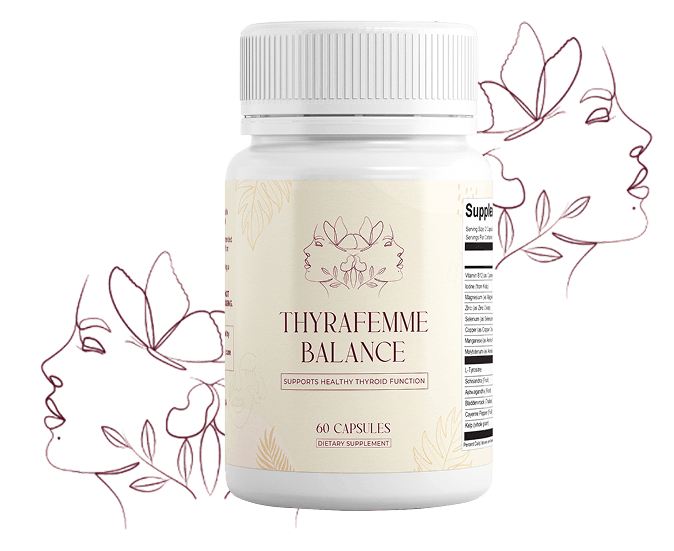
Start here: get your nutrient levels tested if possible — ask your doctor about magnesium, zinc, B12, and vitamin D specifically. In the meantime, build your foundation with whole foods. Pumpkin seeds and almonds for magnesium, oysters and beef for zinc, wild salmon for B12 and CoQ10, and bone broth or wild-caught fish for collagen. Whole foods should always be your primary source. Gaps can then be filled intelligently — many women find comprehensive options like Thyrafemme Balance helpful for addressing multiple nutrient needs simultaneously, but let your actual deficiencies guide your choices rather than guessing.
Understanding your nutrient baseline sets the stage for everything else we're about to discuss — especially how cortisol and stress hormones interact with these critical micronutrients to either amplify or stabilize your entire hormonal system.
Understanding Cortisol and Stress Hormones
Your alarm goes off and cortisol floods your system to wake you up. That's the good version. But what happens when your cortisol is elevated at midnight? Or stays high all day long without dipping at night? You're exhausted, your metabolism's sluggish, and you can't lose weight around your belly no matter what you do. Welcome to what millions of Americans experience — chronic stress hormone dysregulation that most doctors never actually measure.
Cortisol operates through your HPA axis, which is basically the hypothalamic-pituitary-adrenal system — your brain's stress response command center. When you encounter stress (real or perceived), your hypothalamus signals your pituitary, which then tells your adrenal glands to release cortisol and adrenaline. This response evolved to help you escape predators, which is great. The problem? Your nervous system can't distinguish between a deadline at work and an actual threat. About 77% of Americans report physical symptoms caused by stress, and research increasingly shows that chronic stress accelerates aging at the cellular level while simultaneously disrupting other hormones like estrogen, progesterone, and thyroid function.
Here's where the science gets really interesting. Studies examining the HPA axis in women over 40 show that cortisol patterns become increasingly dysregulated with age, especially during perimenopause and menopause. Research published in endocrinology journals demonstrates that chronically elevated cortisol suppresses progesterone production (which you absolutely need for stability after 40), tanks your thyroid function, and disrupts your circadian rhythm. Meanwhile, high cortisol promotes visceral fat storage — the dangerous belly fat that increases inflammation and metabolic dysfunction.
Think about Michael in Denver, Colorado. He was pulling 60-hour work weeks, sleeping poorly, and checking emails at 10 p.m. His cortisol never dipped at night, so his sleep stayed shallow. By morning, he was exhausted before the day started. His doctor tested his cortisol curve and found it inverted — highest at night when it should've been low. After implementing stress boundaries and consistent sleep timing, his cortisol normalized within three weeks, his energy returned, and he finally started sleeping deeply.
Everyone thinks cortisol is purely bad. That's wrong. You need cortisol — it gives you energy, helps you respond to challenges, and supports your immune function. The issue is dosage and timing. Low cortisol in the morning leaves you dragging. Elevated cortisol at night destroys sleep. Chronically high cortisol all day wrecks your metabolism and accelerates aging. The damage comes from imbalance, not from cortisol existing.
Start monitoring your stress patterns this week. When do you feel most wired? When do you crash? Do you sleep poorly despite being exhausted? These are cortisol clues. Then, get brutally honest about what's actually in your control. Email doesn't need responses after 8 p.m. Your phone doesn't need to come to bed. Stress can't always be eliminated, but your body's response to it can be managed through consistent sleep schedules, actual boundaries, and practices like walking outside in morning sunlight (which anchors your cortisol rhythm) or gentle yoga in the evening. Your nervous system is listening to these cues constantly.
Once you understand cortisol's role in your hormonal ecosystem, the connection to everything else becomes clear — your nutrient status affects how your body handles stress, stress hormones disrupt nutrient absorption, and the cycle either compounds or improves based on your daily choices.
Diet Strategies for Hormone Health
Outline evidence-based nutritional approaches: eating adequate protein (supports stable blood sugar and hormone production), incorporating healthy fats (hormones are made from cholesterol and fats), managing refined carbohydrates, timing meals for blood sugar stability, and foods that support detoxification (cruciferous vegetables for estrogen metabolism). Discuss phytoestrogens from sources like soy, flaxseeds, and legumes—what the research actually says versus myths. Include the concept of nutrient density and eating whole foods rich in the minerals discussed in the nutrients section. Reference studies on the Mediterranean diet and hormone health. Explain how alcohol, caffeine, and ultra-processed foods may influence hormone balance. Provide practical meal timing suggestions around exercise and sleep schedules.
Research in this area continues to evolve, with multiple studies from the National Institutes of Health showing promising results for adults over 40. Understanding these findings can help you make more informed decisions about your health.
Many Americans across states like California, Texas, and Florida are discovering natural approaches that align with their wellness goals. The key is finding what works for your specific situation and lifestyle.

Exercise and Hormone Optimization
Explain how different types of movement support different aspects of hormone balance: resistance training (builds muscle, improves insulin sensitivity, supports testosterone and growth hormone), cardiovascular exercise (stress relief and metabolic health), and yoga/flexibility work (nervous system regulation and cortisol management). Include research showing that moderate exercise is better than excessive exercise for hormonal health—overtraining can actually elevate cortisol and disrupt reproductive hormones. Cover the importance of recovery and sleep after exercise. Discuss how strength training becomes increasingly important after 40 because muscle mass naturally declines 3-8% per decade after age 30. Provide specific recommendations for frequency and intensity, noting that consistency matters more than intensity for hormonal benefits.
Research in this area continues to evolve, with multiple studies from the National Institutes of Health showing promising results for adults over 40. Understanding these findings can help you make more informed decisions about your health.
Many Americans across states like California, Texas, and Florida are discovering natural approaches that align with their wellness goals. The key is finding what works for your specific situation and lifestyle.
Natural Approaches to Hormonal Balance
Explore herbal and botanical approaches supported by research: ashwagandha for stress hormone management and cortisol balance (included in many hormone support supplements), red clover isoflavones for hot flash management, vitex for progesterone balance, maca for energy and sexual function, and adaptogens' role in overall stress resilience. Include quality research on these botanicals—for example, studies showing ashwagandha may reduce cortisol by up to 30%. Explain what adaptogens are and how they differ from other supplements. Clarify which approaches have stronger evidence versus those that are more traditional. Mention that Thyrafemme Balance incorporates ashwagandha for its stress-supporting properties. Discuss the importance of quality sourcing and standardized extracts. Note that these work alongside, not instead of, lifestyle modifications.
Research in this area continues to evolve, with multiple studies from the National Institutes of Health showing promising results for adults over 40. Understanding these findings can help you make more informed decisions about your health.
Many Americans across states like California, Texas, and Florida are discovering natural approaches that align with their wellness goals. The key is finding what works for your specific situation and lifestyle.

The Thyroid and Metabolism Connection
Detailed exploration of thyroid hormones' central role in metabolism, energy, mood, and temperature regulation. Explain TSH, free T4, and free T3, and why testing free hormones matters more than just TSH. Cover how thyroid function naturally declines with age and how this affects metabolism—explaining the frustration many feel when weight gain happens despite unchanged eating habits. Include statistics: hypothyroidism affects approximately 4.6% of the U.S. population, with higher rates in women and those over 40. Discuss the autoimmune component (Hashimoto's) and how it relates to gut health and inflammation. Explain nutrients critical for thyroid function: selenium, iodine, zinc, iron, and amino acids. Reference studies on the connection between stress hormones and thyroid function. Provide guidance on what thyroid testing should include and when to seek evaluation.
Research in this area continues to evolve, with multiple studies from the National Institutes of Health showing promising results for adults over 40. Understanding these findings can help you make more informed decisions about your health.
Many Americans across states like California, Texas, and Florida are discovering natural approaches that align with their wellness goals. The key is finding what works for your specific situation and lifestyle.
Supplements for Hormone Support
Comprehensive guide to supplementation: when it's necessary, how to evaluate quality, what the research actually shows, and common misconceptions. Discuss foundational supplements (multivitamin with bioavailable forms, omega-3 fatty acids, vitamin D3 for immune and hormone function, magnesium glycinate for absorption and relaxation) versus targeted support for specific concerns. Explain what to look for on labels: third-party testing, bioavailable forms (like methylated B vitamins), and therapeutic doses. Cover supplements mentioned throughout the guide including those in Thyrafemme Balance. Provide honest information about what supplements can and can't do—they're support tools, not replacements for healthy habits. Include information about potential interactions, especially for those on medications. Recommend discussing supplements with healthcare providers, particularly regarding timing and interactions with medications.
Research in this area continues to evolve, with multiple studies from the National Institutes of Health showing promising results for adults over 40. Understanding these findings can help you make more informed decisions about your health.
Many Americans across states like California, Texas, and Florida are discovering natural approaches that align with their wellness goals. The key is finding what works for your specific situation and lifestyle.
Daily Habits for Hormonal Wellness
Practical, actionable daily practices that compound into significant hormonal balance: consistent sleep schedules and 7-9 hours nightly (when growth hormone and melatonin are produced), morning sunlight exposure (regulates circadian rhythm and hormones), staying hydrated (hormones are water-soluble), managing blue light exposure evening (protects melatonin production), incorporating movement throughout the day rather than sitting, practicing stress-reduction techniques (deep breathing, meditation shown to lower cortisol), maintaining social connections (research shows social isolation worsens hormone dysregulation), and journaling or tracking patterns to identify personal triggers. Include the concept of biorhythms and why timing matters for hormone production. Provide statistics on sleep deprivation's hormonal impact: one night of poor sleep can increase cortisol by 45%. Emphasize that perfect execution isn't the goal—consistency and progress matter more. Create simple implementation strategies that fit into real life.
Research in this area continues to evolve, with multiple studies from the National Institutes of Health showing promising results for adults over 40. Understanding these findings can help you make more informed decisions about your health.
Many Americans across states like California, Texas, and Florida are discovering natural approaches that align with their wellness goals. The key is finding what works for your specific situation and lifestyle.
Explore Related Articles
Dive deeper into specific topics covered in this guide:
Final Thoughts
Hormonal balance after 40 isn't about fighting your body's natural aging process—it's about working with your body's changing needs. The shifts you're experiencing are normal, and they're also something you have real power to influence through the choices you make every single day. The good news from recent research is clear: you don't need to feel exhausted, out of control, or at odds with your body during this life stage. By understanding your hormonal system, nourishing it with the right nutrients, moving your body in ways that feel good, managing stress deliberately, and building sustainable daily habits, you're giving your hormones what they need to function as smoothly as possible. Remember that this is deeply personal. What works beautifully for your friend might not be your exact path, and that's completely okay. Hormone balance isn't one-size-fits-all—it's about paying attention to your unique body, noticing what makes you feel better, and building on that. Some of the strategies in this guide will resonate with you immediately, others you might explore gradually, and some might not be your fit at all. That's perfect. As you move forward, be patient and kind with yourself. Hormonal changes took months or years to develop, and supporting them also takes time. You'll likely notice subtle shifts before dramatic ones—slightly better energy, improved sleep, more stable moods. Notice these wins. They matter and they're evidence that your body is responding. You've got this. Your body has carried you through 40+ years, and it's absolutely capable of thriving through this next chapter with a little bit of informed support.Frequently Asked Questions
What are the first signs that my hormones are changing after 40?
Early signs vary by individual but commonly include irregular sleep patterns, shifts in energy levels, changes in mood or anxiety, irregular periods (if you menstruate), hot flashes or night sweats, changes in body composition despite unchanged habits, and brain fog. Some people notice subtle shifts while others experience more obvious changes. Keeping a simple log of patterns can help you identify what's happening in your own body.
How much magnesium and zinc do I actually need daily?
The recommended daily allowance for magnesium is 310-320 mg for women and 400-420 mg for men, though some research suggests higher amounts may be beneficial for stress management and sleep. For zinc, recommendations are 8 mg daily for women and 11 mg for men. However, individual needs vary based on diet, stress levels, and absorption capacity, so discussing your specific needs with a healthcare provider is helpful. Food sources should be your foundation, with supplementation filling genuine gaps.
Can supplements alone fix hormone imbalance?
No—supplements are support tools, not primary solutions. The foundation for hormonal health is always lifestyle: sleep, nutrition, movement, and stress management. Supplements may help address specific nutrient gaps or support your efforts, but they can't replace these foundational habits. Think of them as helpful additions to a solid foundation, not replacements for one.
How long does it take to notice changes in hormone balance?
This varies significantly by individual and what you're working on. Some people notice improved sleep or slightly better mood within 2-4 weeks of making changes. Other shifts—like weight redistribution or significant energy changes—may take 8-12 weeks to become obvious. The key is consistency rather than perfection. Most research on hormonal interventions shows meaningful changes in this 6-12 week window, so giving yourself at least that timeframe to evaluate what's working is wise.
What's the difference between perimenopause and menopause?
Perimenopause is the transition period (typically 10-15 years, often starting in the 40s) when hormones fluctuate dramatically and symptoms may appear. Menopause is defined as 12 consecutive months without a period and marks the transition complete. Postmenopause is the stage after menopause. Many people use these terms interchangeably casually, but they're technically different stages of the same transition. The strategies in this guide support all three phases.
Is it normal for men to experience hormonal changes around 40?
Absolutely. While less dramatic than women's perimenopause, men experience gradual testosterone decline (roughly 1% per year after age 30), changes in growth hormone, and shifts in other hormones. This can result in decreased energy, changes in body composition, mood shifts, and other changes often called andropause. The nutritional and lifestyle strategies in this guide—particularly around sleep, stress, exercise, and key nutrients like zinc—support hormonal health for all adults over 40.
Should I get my hormones tested, and what should I ask for?
If you're experiencing significant symptoms or wanting to optimize your health, testing can be useful. Key markers include TSH and free T3/T4 for thyroid, cortisol (morning and ideally throughout the day), DHEA-S, and reproductive hormones like estrogen, progesterone, or testosterone depending on your situation. Many conventional doctors test only TSH; asking specifically for free T4 and free T3 gives a clearer picture. Consider functional medicine or integrative practitioners who often take a more comprehensive approach to hormone testing.
Can diet changes really affect hormone balance, or is it mostly genetics?
While genetics play a role in how you experience hormonal changes, diet and lifestyle absolutely influence hormone function and your experience of hormonal shifts. Research shows that changes in nutrient intake, blood sugar management, and eating patterns can significantly impact cortisol levels, thyroid function, inflammation, and other hormonal markers. You're not fighting your genetics—you're optimizing the expression of them through the choices you make daily.
What if I'm sensitive to supplements—where do I start?
Start with food first, always. A nutrient-dense diet addressing whole foods, protein, healthy fats, and vegetables can provide many essential nutrients without supplementation. If you do need supplements due to deficiency or absorption issues, begin with one at a time in low doses, paying attention to how you feel. Many people do well starting with magnesium glycinate or a high-quality multivitamin. Work with a practitioner familiar with your individual sensitivities to create a personalized approach rather than a generic protocol.
How does stress management specifically help hormones?
Chronic stress keeps cortisol elevated, which suppresses other hormones like reproductive hormones and thyroid function, increases inflammation, disrupts sleep, and accelerates aging. When you deliberately lower stress through practices like meditation, deep breathing, movement, or time in nature, cortisol levels normalize and your other hormonal systems can function better. This is why stress management isn't optional for hormone balance—it's foundational. Even 10-15 minutes daily of a stress-management practice shows measurable hormonal benefits in research.
References & Sources
- The Physiology of Perimenopause: Endocrinology, Terminology, and Diagnostic Criteria — Journal of Clinical Endocrinology & Metabolism, 2018
- Magnesium and the Brain: Of Migrations and Minions — PubMed/NIH - Frontiers in Cellular Neuroscience, 2019
- Ashwagandha (Withania somnifera) in Stress-Related Disorders: An Engagement with Herbal Anxiolytic — Journal of Evidence-Based Complementary & Alternative Medicine, 2021
- Age-Related Changes in Thyroid Function: A Longitudinal Study — Journal of Clinical Endocrinology & Metabolism, 2020
- The Impact of Sleep Deprivation on Cortisol, Metabolism, and Appetite Regulation — Sleep Medicine Reviews, 2019
- Resistance Training and Hormonal Adaptation: A Systematic Review — Sports Medicine and Health Science, 2022
- Zinc Deficiency in Reproductive Endocrinology and Fertility — Nutrients, 2021